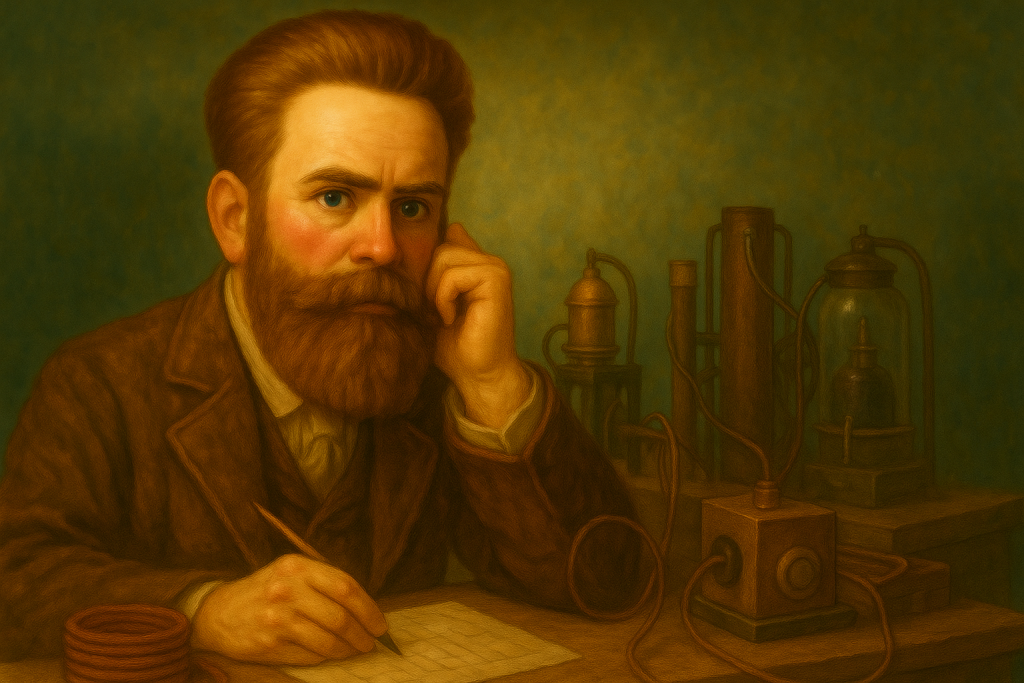
Nikolay Bernardos: The Pioneer Who Gave Us Arc Welding and Transformed Metal Joining Forever
"Without the electric arc, modern fabrication would still be riveted together. Benardos gave us fusion—and changed metal joining forever."
— Global Tube Fabrications Tweet
A Spark That Changed Metal Forever
When we talk about the fathers of our industry, we celebrate those who gave us the tools and techniques we rely on every day. Henry Bessemer gave us abundant, affordable steel. Nikolay Benardos gave us something equally revolutionary: a way to join that steel using electricity.
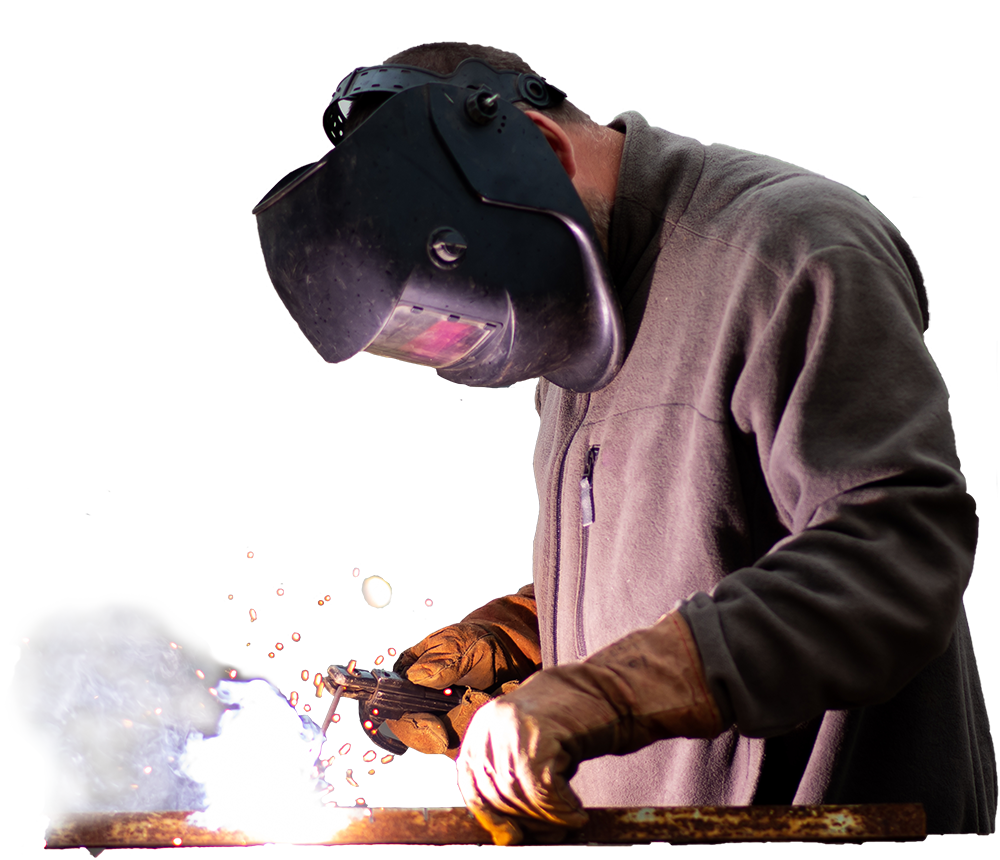
Step into any modern fabrication shop today. You’ll see his influence everywhere. The flash of an arc. The steady crackle of a weld bead being laid down. The way components fuse into a single, monolithic structure. All of that traces back to Bernardos turning the electric arc from laboratory curiosity into a practical industrial tool.
For companies like Global Tube Fabrications, welding, tube fabrication and finishing sit at the heart of what we do. His legacy lives in every frame, bracket and tubular assembly leaving our factory floor.
Before Nikolay Benardos: The Joining Crisis That Held Industry Back
By the 1870s, British manufacturing had mastered many challenges. Mills could roll steel efficiently. Machinists could cut and shape it with precision. But one persistent bottleneck remained: How to join large steel structures quickly, reliably, and permanently.
The options were limited and frustrating:
Riveting dominated—but it was slow, labour-intensive, and added significant weight. Every rivet needed heating, positioning, and hammering by hand. Joints leaked and fatigued. Large structures required thousands of them.
Forge welding worked for blacksmiths, joining small components. But scaling it to industrial structures proved impractical. You couldn’t forge-weld a bridge girder or a ship’s hull.
Bolting and mechanical fasteners proved even less reliable for high-stress applications. They added bulk where engineers wanted lightness.
The result? Fabricators faced constraints. Tubular structures, complex assemblies, and pressure vessels remained difficult to produce. Infrastructure projects took longer and cost more. The steel existed—but the joining technology lagged decades behind.
Industry needed a breakthrough. A way to fuse metal permanently. Create joints as strong as the parent material itself. No rivets, no forges, no compromise.
That breakthrough came from an inventor working with batteries, carbon rods, and an electric arc in Imperial Russia.
From a Ukrainian Estate to the Age of Electricity
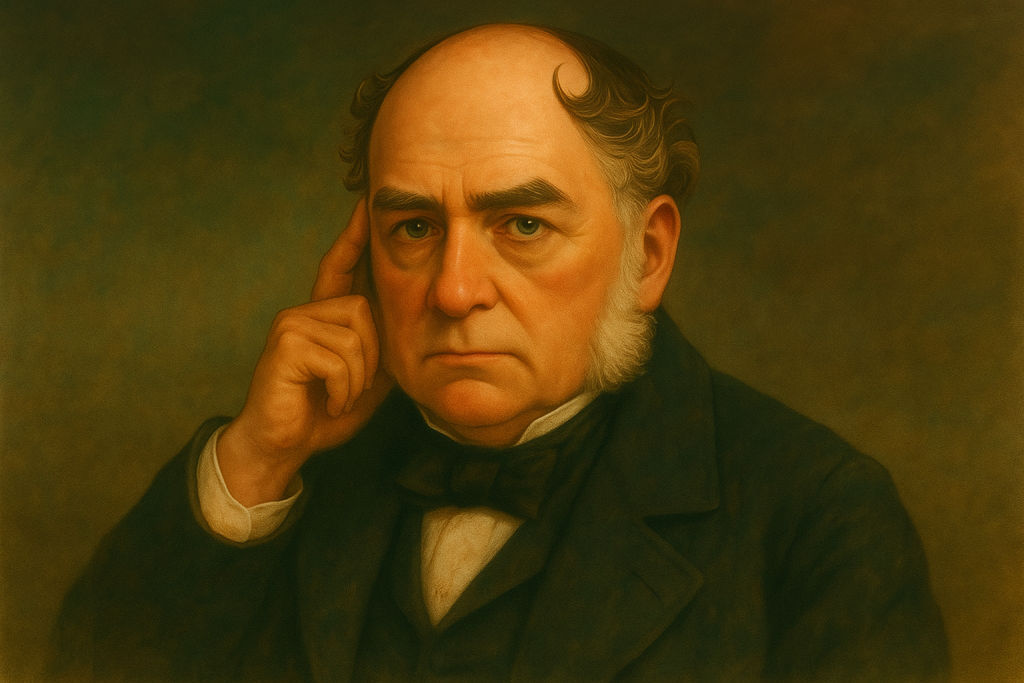
Born in 1842 in Benardosivka, a family estate in the Kherson Governorate of the Russian Empire—now Ukraine—Nikolay (Mykola) Benardos came from Greek descent. Raised in a military family, he chose a different path: invention.
In the 1860s and 70s, electricity remained a mystery to most people. Benardos became fascinated by the electric arc. Working in Moscow, St Petersburg and Kineshma, he set out to discover how this intense, concentrated heat could serve industrial metalworking.
Like many great innovators, he faced challenges. Capital was tight. Practical equipment didn’t exist. No off-the-shelf power sources could deliver the currents he needed. He improvised—using batteries charged from generators, building his own apparatus from scratch, working through countless failed experiments.
But persistence paid off. Benardos wasn’t just tinkering. He was solving the industry’s joining crisis.
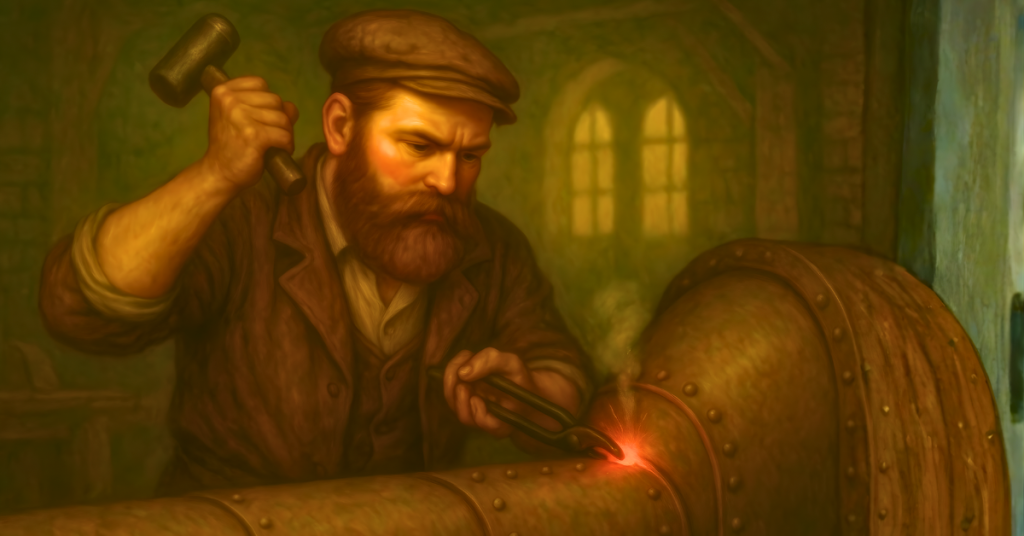
Nikolay Benardos Breakthrough: Inventing Carbon Arc Welding
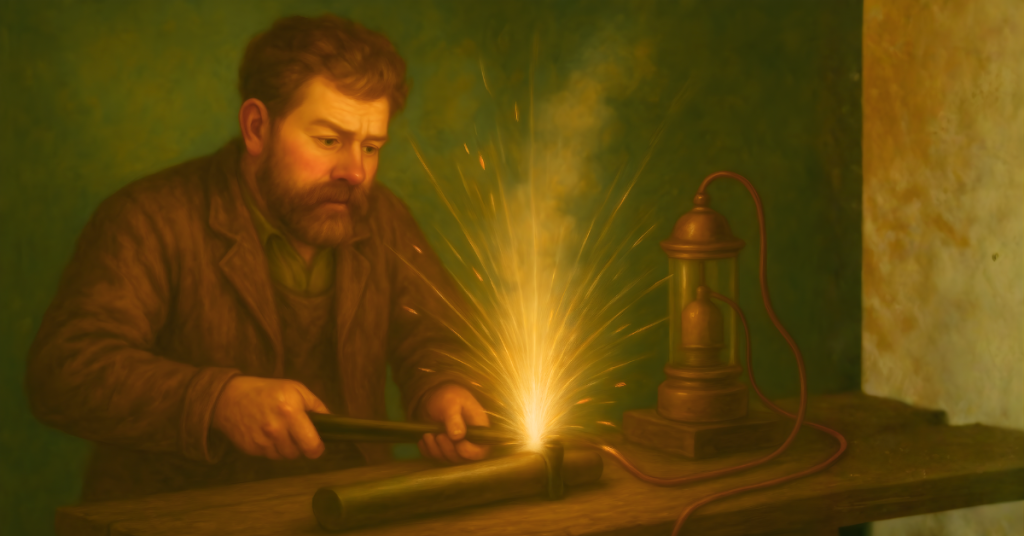
Benardos’ first experiments used the electric arc to heat steel sheet edges to a plastic state. Then he forge-welded them with hammer blows. This alone proved significant—it allowed large steel structures in workshops without traditional furnaces.
But then he noticed something extraordinary.
Hold the arc on the joint long enough and the edges would actually melt and fuse together. No forging needed. The liquid metal from both sides flowed into a single molten pool and solidified into a monolithic joint. Stronger, faster, and more consistent than anything that came before.
In that moment, electric fusion welding was born.
By 1881, Benardos was ready to demonstrate. At an exhibition in Paris, he showcased his method using a carbon (non-consumable) electrode. We now call this
carbon arc welding. It became the first practical arc welding process any wherein the world. The arc transformed from laboratory spectacle into production tool that could revolutionise manufacturing.
Key Takeaway: Benardos proved you could fuse metals through controlled melting. This eliminated rivets, created stronger joints, and enabled the complex tubular assemblies and fabrications we produce today.
From Elektrogefest to Global Adoption
Polish engineer Stanislaw Olszewski provided financial backing. Together, Benardos patented his process and equipment in the mid-1880s across most industrialised countries. He called his invention Elektrogefest (from the Greek word for “electric” and the German word for “solid”). For years, the industry simply called it “The Benardos method”.
The impact arrived immediately and transformed everything.
Within just a few years, more than a hundred plants across Europe adopted Bernardos’ arc welding method. Workshops could now weld large structures. Repair castings. Join tubular components. Perform work that riveting or forge welding makes difficult, slow, or impossible.
But Elektrogefest exceeded being just a machine—it became a gateway technology. Benardos experimented with different electrode shapes. He tried using gases to protect the weld zone. He devised mechanisms to regulate arc length automatically. These ideas foreshadowed many concepts that later defined modern welding: shielding gases, consumable electrodes, and mechanised process control.
Others built on his foundation. Engineers like Nikolay Slavyanov and Oscar Kjellberg introduced consumable and flux-coated electrodes in the following decades. This led to the shielded metal arc welding (SMAW) and coated electrode processes still used across British manufacturing today.
But the first step— using an electric arc to join metals in a controlled, repeatable, industrial way —belongs to Benardos.
Why Benardos Changed Everything: The Three Pillars of Modern Fabrication
Benardos’ contribution went far beyond a single invention. He fundamentally changed what fabricators could achieve:
1. From Rivets to Fusion: Stronger, Lighter Structures – Benardos proved metals could fuse permanently rather than require mechanical fasteners. This eliminated heavy rivets and their inherent weaknesses. Welded joints became as strong—or stronger—than the base material. Engineers could design lighter, more efficient structures.
2. The Gateway to Modern Welding Processes – His carbon arc method founded all modern arc welding. Today’s MIG, TIG, stick welding, and even robotic welding systems descend directly from Benardos’ pioneering work. Every process refinement built on his core insight: the arc can fuse metal.
3. Made Complex Tubular Fabrication Possible – Without reliable fusion welding, intricate tubular assemblies, frameworks, and pressure vessels couldn’t exist. Benardos gave fabricators the tool to turn tube, bar, and plate into complex, high-integrity structures. Exactly the work we do every day at Global Tube Fabrications.
Honouring the Past, Engineering the Future
In our Fathers of Our Industry series, we honour people like Nikolay Benardos not just out of historical interest. Their stories frame the work we do today. They remind us that progress in steel, welding, and fabrication has always depended on bold thinking and practical engineering.
At Global Tube Fabrications, we’re proud to carry that torch. We combine decades of hands-on experience with modern tube bending, welding, and fabrication technology. We support projects across the UK and beyond.
You need precision tube manipulation? We deliver. High-integrity welding services? We’ve got you covered. Complete fabrication and finishing solutions? That’s our speciality. We provide the quality and reliability that today’s industries demand—built on the foundations that pioneers like Benardos laid.
Conclusion: The Arc That Still Burns Bright
Without Nikolay Benardos, modern fabrication would still be bolted and riveted together. Every welded tube exists because of him. Every seamless joint. Every complex tubular assembly at Global Tube Fabrications. One inventor saw the electric arc’s potential and refused to let it remain a laboratory curiosity.
From Elektrogefest to today’s automated welding cells, the thread remains unbroken. From carbon electrodes to advanced MIG and TIG processes, the legacy endures. Benardos gave us fusion. He gave us strength. He gave us the ability to turn separate pieces of steel into unified structures.
For every tube we bend, every weld we complete, and every fabrication we deliver at Global Tube Fabrications, Benardos’ influence remains visible and lasting.
We engineer the next generation of British manufacturing in his honour. We combine technical excellence, relentless improvement, and a passion for innovation that would make the pioneers proud.
Ready to experience welding and tube fabrication built on a true industrial legacy?
Contact Global Tube Fabrications today to see how our tube bending, welding services, and fabrication expertise can shape the future of your project.
Your success is our success—from concept to the curve of the tube, and every weld in between.
Further Reading
Here are some articles we found interesting about this topic: